

Equity Factories And Compounding Machines
I’m looking to invest in companies that power businesses who can profit without selling equity.

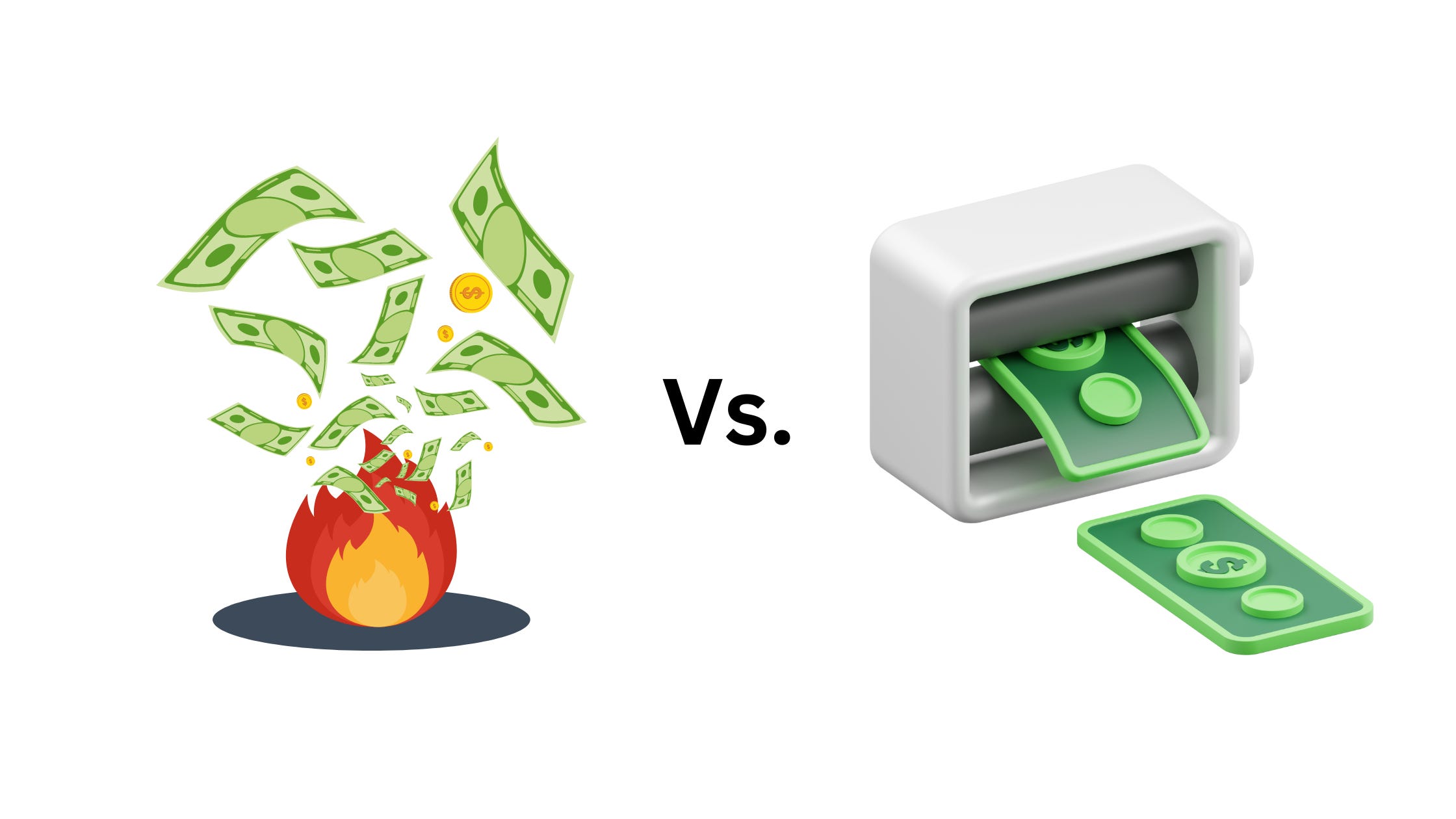
I’ve been interested in the enabling layers for entrepreneurship since I started in tech. As AWS, Stripe, AngelList, etc has made venture backed entrepreneurship easier and cheaper, more and more businesses startups I encounter feel like investment products and not actual operating businesses. Sure, they have a product or service they sell, but that’s not their business. They’re a means of production for equity and capital is the customer. I call them ‘Equity Factories.’
Amidst low interest rates investors wanted high growth tech businesses. Entrepreneurs were happy to oblige with equity factories, pitching venture capitalists whether or not the business fit the venture capital model. If investors require 60% gross margins and exponential growth, entrepreneurs are going to optimize for those metrics because the customer is always right. Manufacturing investor metrics, not widgets, is the operational objective.
Equity factories are running on borrowed time. The end of cheap money means they can no longer buy $0.75 of revenue for $1. While they removed blockchain from their decks and added AI instead, they can’t grow organically. With a shift to profitability being demanded by investors, equity factories no longer have customers. Once the growth stops entropy ensues.
The equity factory model is bad for society. Equity factories are overwhelmingly built by insiders who understand how to market equity to investors. It draws capital away from entrepreneurs solving problems in the real economy with a little more hair on them. Because VC is based on the power law, I think many investors are overlooking the downside of funding equity factories.
Equity factories are incredibly fragile because their growth is built on a faulty foundation of easy money that is completely dependent on investor demand. Their employees, suppliers, partners, and users of these products and services are all building atop a house of cards. The ecosystem is damaged as participants withdraw after getting burned. Capital doesn’t care what happens to these stakeholders as long as it can exit for a profit.
Conversely, sustainable businesses take care of their stakeholders both internally and externally. Their employees learn new skills and leave to start new businesses, helping grow the pie for everyone. These businesses sell because a smart investor wanted to buy a productive asset, not because their company found a sucker to buy the business.
Now, the point of this post is not to complain about the excesses of the last market cycle. The point is that I want to invest in startups that are the opposite of equity factories. I want to invest in platforms that enable a collective of compounding machines to grow the economy in the most capital efficient way possible.
A few areas of interest include:
I’m looking for platforms that enable entrepreneurship without necessitating a liquidity event. I’m intrigued by businesses that facilitate a transition of ownership from retiring baby boomers to younger entrepreneurs. I’m especially interested in companies like Teamshares that facilitate employee ownership.
I’ve been talking to a few founders building managed services organizations and virtual back office products in healthcare and sustainability industries. I would love to talk to more who are building products like these in other industries. I’ve been diving deep on concepts that use industry or niche operating systems as an origination/underwriting engine for roll up targets or debt financing.
I’d also like to talk to businesses simplifying the contracting process with large enterprise customers for MWBEs (Minority or Women Owned Business Enterprises).
If you’re building an enabling platform for entrepreneurship please shoot me an email or a DM on Twitter / Linkedin (I respond to personalized/thoughtful outreach not spam).